The 8th Congress of the International Society of Forest Therapy (ISFT), hosted at IMC University of Applied Sciences Krems, is a key international forum bringing together leading experts, researchers, and practitioners from across disciplines. These include life sciences, medicine, public health, forestry, tourism, and environmental research, as well as professionals working in forest therapy and nature-based health approaches.
The congress holds particular significance as Krems is the place where the ISFT was originally founded—making this event, in many ways, a return to its roots.
The congress aims to advance the scientific understanding of how forest ecosystems contribute to human health and well-being, with a particular focus on the role of bioactive compounds, biodiversity, and environmental interactions. At the same time, it addresses the translation of this growing body of evidence into clinical practice, innovative therapeutic approaches, and real-world applications in healthcare and prevention.
A central feature of the congress is its interdisciplinary perspective, reflected in dedicated tracks on clinical implementation, forest-based tourism and wellness, innovation and technology in forest therapy, and the integration of science, practice, and policy. The congress thus provides a platform for dialogue, knowledge exchange, and collaboration across sectors.
In addition to presenting current research findings, the congress highlights practical case studies and emerging models that demonstrate how forest-based approaches can be implemented sustainably in public health systems, tourism development, and environmental stewardship.
We invite researchers, practitioners, policymakers, and enthusiasts to join us for an enriching three days exploration of how forests contribute to our health and well-being.
Over three days, participants will experience:
• Inspiring scientific presentations and interdisciplinary panel discussions across all congress tracks
• Interactive sessions on forest therapy, health, and innovation, connecting research with practice
• A guided visit to the healing forest at Stift Göttweig (Heilwald Stift Göttweig)
• Networking opportunities with international experts, practitioners, and decision-makers
• A curated social and cultural programme in the Wachau region
The thematic focus is organised into individual tracks designed to systematically represent relevant subject areas, foster scholarly exchange, and facilitate targeted navigation through the programme.
Forests produce a wide range of bioactive compounds emitted by plants, fungi, and microorganisms. These substances play important ecological roles and may also influence human health and wellbeing.
This track explores the chemical and biological processes in forest ecosystems and their potential relevance for life sciences, medicine, and public health. Contributions may address the identification and characterization of bioactive compounds, their biological effects, and the links between forest biodiversity and human health. Interdisciplinary perspectives from chemistry, biology, environmental science, and health research are particularly welcome.
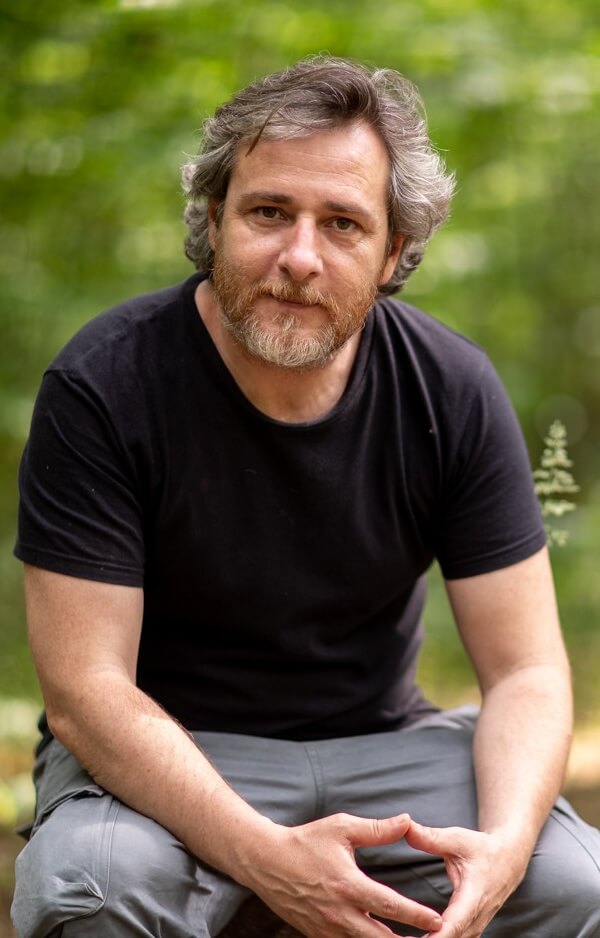
Uwe Rinner is a chemist and professor of organic chemistry, currently serving as Head of the Institute of Applied Chemistry and Programme Director for Chemistry at the IMC University of Applied Sciences Krems. His research focuses on organic synthesis, natural product chemistry, and chemical biology, with particular expertise in the synthesis and modification of biologically active compounds. Rinner completed his Ph.D. in organic chemistry at the University of Florida. He subsequently held research and teaching positions at institutions including University of Vienna, Johannes Kepler University Linz, and Brock University. His scientific work includes contributions to the synthesis of complex natural products and medicinally relevant compounds, as well as research in sustainable and green chemistry. In addition to his core research in chemistry, Rinner has been involved in interdisciplinary initiatives linking chemistry, natural products, and nature-based health approaches, including contributions to discussions on forest-based therapies in Austria.
As scientific evidence on the health benefits of forest environments continues to grow, an important next step is translating these findings into clinical and therapeutic practice. This track focuses on the practical implementation of forest therapy within healthcare and prevention contexts.
Contributions may address clinical applications, therapeutic protocols, patient outcomes, and interdisciplinary collaborations between healthcare professionals, researchers, and forest therapy practitioners. The track aims to explore how evidence-based forest therapy can be integrated into medical, rehabilitative, and preventive health systems, while ensuring quality, safety, and effectiveness.
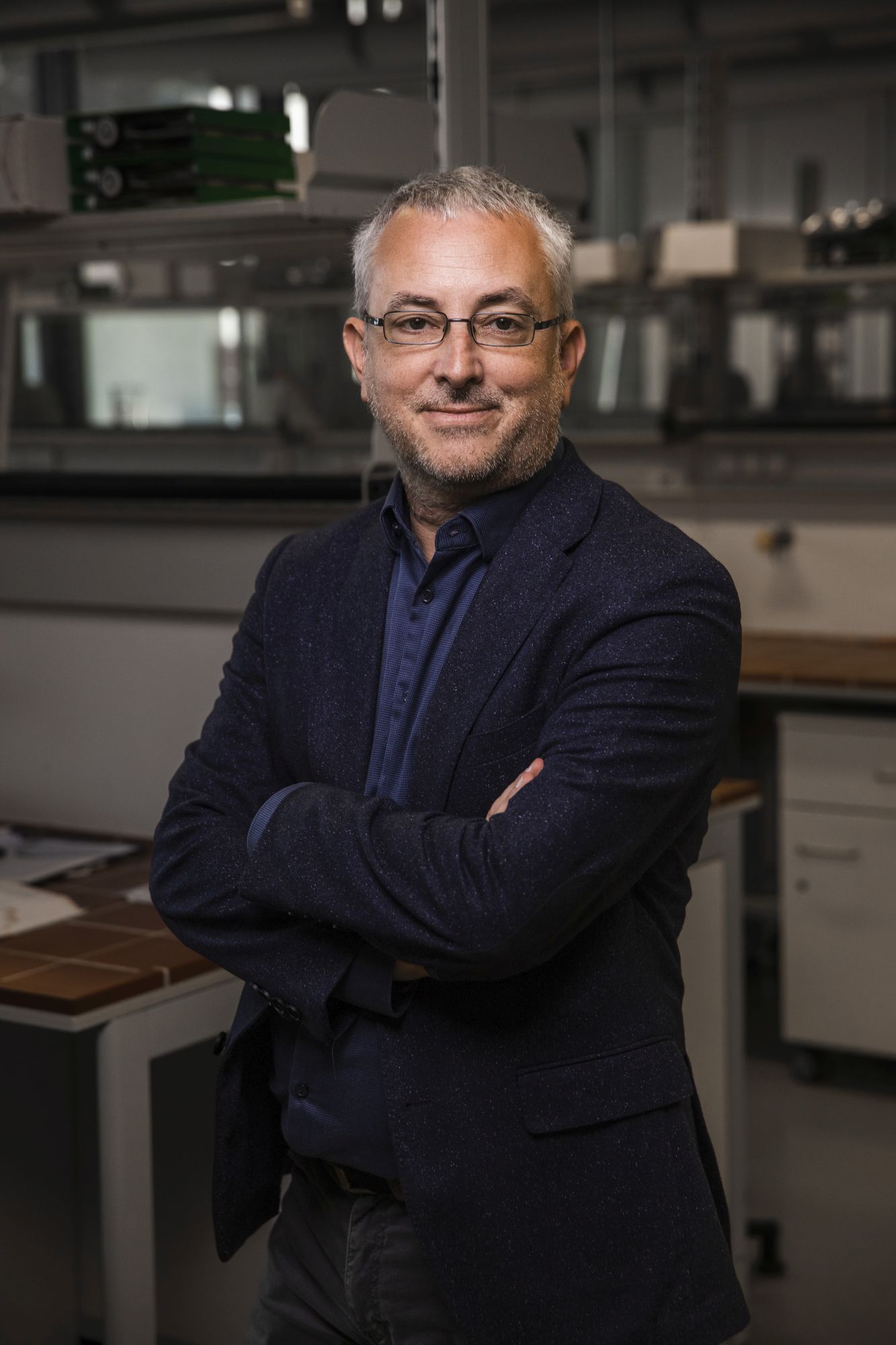
Martin Nuhr is a specialist in physical medicine and rehabilitation, as well as interdisciplinary pain medicine. He serves as Medical Director of the NUHR Medical Center in Senftenberg, Austria, a rehabilitation and health facility that he has led since 2008. In parallel with his clinical and academic work, he founded the Karl Landsteiner Institute for Physical Rehabilitative Medicine, focusing on research in rehabilitation and treatment strategies for musculoskeletal disorders.
His professional work combines clinical practice, research, and innovation in rehabilitation medicine, with a particular emphasis on developing new therapeutic approaches and integrating preventive and holistic treatment concepts.
Forests have become vital spaces for promoting human wellbeing, offering restorative environments that support physical, mental, and emotional health. As wellness tourism continues to expand globally, forest based experiences—ranging from therapeutic walks and mindfulness practices to immersive retreats—are gaining significant attention from researchers, practitioners, and destinations. This track invites contributions that explore the intersections between forest environments, wellbeing, tourism product development, health sciences, sustainability, and regional development.
The aim of this track is to deepen our understanding of how forest landscapes can be leveraged responsibly and innovatively for tourism and wellness, while safeguarding ecological integrity and supporting local communities. We welcome both conceptual and empirical research, interdisciplinary perspectives, and practical case studies illustrating emerging trends, challenges, and opportunities in forest based wellness tourism.
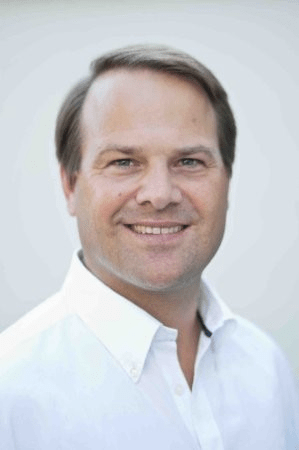
Claudia Bauer-Krösbacher is a professor and researcher at the IMC University of Applied Sciences Krems, where she serves as Head of the Institute of Tourism and Programme Director for Tourism and Leisure Management. Her research focuses on corporate social responsibility (CSR) and sustainability, as well as employment, innovation, and new technologies. Bauer-Krösbacher’s academic work is situated within key research areas such as demographic change, innovation management, consumer studies, and tourism marketing and technology.
She has contributed to a range of research projects in tourism, including studies on green spaces as tourism attractions and their role in urban visitor experiences.
As forest therapy continues to evolve, innovative approaches, technologies, and conceptual frameworks are emerging that expand its applications and accessibility. This track explores novel ideas and interdisciplinary perspectives that advance the development of forest-based health interventions.
Contributions may address new therapeutic concepts, digital tools and monitoring technologies, innovative program designs, and emerging research methods.
The track aims to foster dialogue on how innovation can support the effective, scalable, and sustainable development of forest therapy in health promotion and wellbeing.
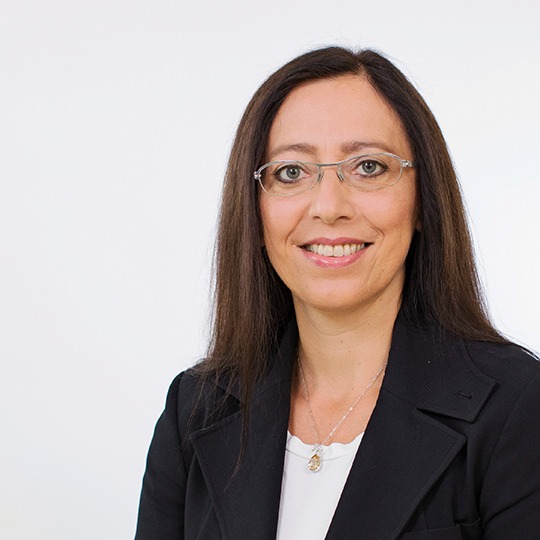
Dr. Darija Cvikl is an Assistant Professor of Sustainable Tourism Management and a researcher at the International School for Social and Business Studies in Slovenia. She is dedicated to the institutionalisation of forest therapy and holds a doctorate in the field of forest tourism. She has over 30 years of professional experience bridging the commercial sector, academia, and applied research. Her work focuses on the institutionalisation of forest therapy, the development of therapeutic tourism, and cross-sector collaboration. She is the founder of the Institute of Forest Tourism and a member of the Slovenian Association for Forest Therapy. She is the initiator and co-author of the nationally accredited educational programme Forest Therapy Practitioner in the Republic of Slovenia, and the author and co-author of academic contributions in the field of forest therapy. She currently serves as Secretary of the International Society of Forest Therapy® (ISFT®) and as a Board Director at the World Forum on Forest Therapy (WFoFT). She contributes to international initiatives in forest therapy and intersectoral collaboration.
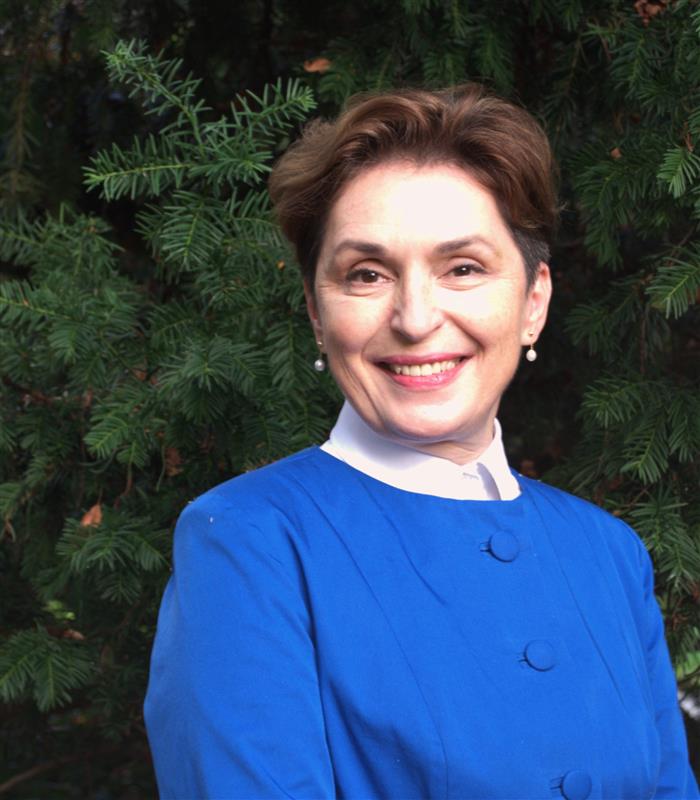
The growing recognition of forest therapy requires stronger connections between scientific research, practical implementation, and policy development. This track focuses on the dialogue between researchers, practitioners, and decision-makers to support the integration of forest-based health approaches into broader societal and institutional frameworks.
Contributions may address governance models, policy initiatives, public health strategies, certification and quality standards, as well as partnerships between science, healthcare systems, and forest management. The track aims to explore how evidence-based forest therapy can inform policy and contribute to sustainable health promotion and environmental stewardship.
Alex Gesse is Executive Director of the Forest Therapy Hub, where he leads international initiatives in nature-based health and forest therapy. He works at the intersection of public health, forestry, and nature-based interventions. He serves as an advisor on public health and forests to the Union of South European Foresters and has contributed as a specialist to the Expert Group on Human Health and Wellbeing within Forest Europe.
He is a board member of the International Society of Forest Therapy and has played a key role in advancing professional training in the field, having trained more than 2,000 forest therapy guides and practitioners worldwide. His work includes leading forest therapy interventions and educational programmes across more than 20 countries.
Life Sciences and Human Health: Understanding Bioactive Compounds in Forest Environments
Uwe Rinner
From Evidence to Practice: Clinical Implementation of Forest Therapy
Martin Nuhr
Forest-Based Tourism for Wellness and Health
Claudia Bauer-Krösbacher
Innovating Forest Therapy: New Approaches, Technologies and Concepts
Darija Cvikl
Connecting Science, Practice and Policy in Forest Therapy
Alex Gesse
Information on sustainable travel to the IMC Campus Krems is available via the button below.
We warmly encourage you to stay in Krems or the surrounding Wachau region and enjoy its unique atmosphere. For congress participants, a number of rooms have been reserved at selected partner hotels at special rates.
We recommend booking early to secure your preferred accommodation.
The 8th International ISFT® Congress is supported by three
dedicated committees that ensure scientific quality, strategic
guidance, and smooth organisation:
The Scientific Committee
Composed of leading international researchers and medical professionals
to ensure the academic quality.
• Darija Cvikl
• Alex Gesse
• Uwe Rinner
• Claudia Bauer-Krösbacher
• Andreas Lichtenwörther
• Udo Brändle
• Victoria Englmaier
The Organising Committee
Led by the host institution IMC Krems, this committee is responsible for the planning, logistics,
and overall organisation of the congress.
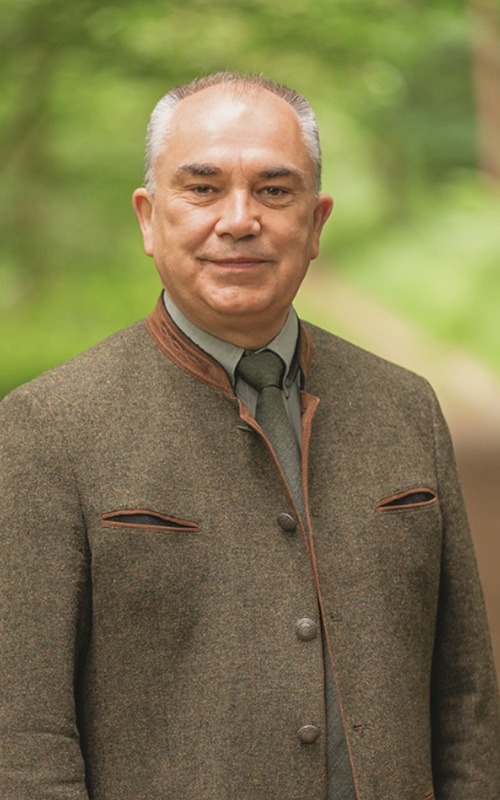
• Sven Röger
• Udo Brändle
• Victoria Englmaier
The Advisory Committee
A panel of senior experts and founding members of ISFT® who provide strategic guidance and
support the development of international partnerships connecting science, industry, and health policy
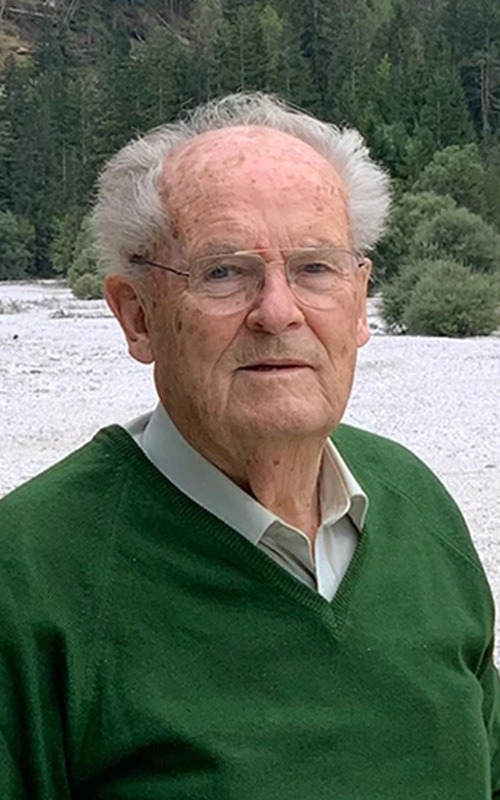
• Heinz Boyer
• Horst Klinkmann
Lifelong learning is an important principle for us. That is why we offer programmes such as the Junge Uni, FIT4YOUniversity, and SeniorInnenUni.
© 🌲🌳 2026 IMC Krems – University of Applied Sciences | [email protected]